ClickCease
Blog

Black Friday Change Freeze: What to Lock Down Before Peak

October 28, 2026
|
6
min read

Summary

Start a change freeze around Monday 9 November and keep it until things settle after Cyber Monday. Lock down suppliers, systems, product data, packaging, warehouse layout and customer-facing policies, and only allow changes that fix something broken or can be undone quickly. Park every other idea on a post-peak list for January.

[Founder / CEO] - Pick a freeze date now, ideally around Monday 9 November, and tell everyone who touches your operation. - Name one person to approve exceptions and keep a short written log so the freeze doesn't quietly dissolve. - A calm, boring peak is the goal. Save improvements for January, when you have real peak data to rank them. [Operations] - Keep your layout, pick paths and procedures as they are. If you rearranged for peak, leave it. - Finish training new people before the freeze and avoid new hires in the final fortnight. - Write down your procedures so anyone helping during peak can follow them. [Marketing / eCommerce] - Hold off on new apps, plugins, theme or checkout changes and new shipping rules until after Cyber Monday. - Add and check any new products and bundles before the freeze, not during it. - Cut-off messaging and delivery estimates are safe to update. Big launches are not. [Finance] - Order and receive packaging and supplies before the freeze so you're not paying for rush deliveries mid-peak. - Untested changes risk oversells, missed orders and wrong stock, which cost more than waiting. - Use the post-peak list to plan and budget January improvements with real evidence. [Customer service] - Avoid customer-facing changes, like a new returns policy, that create queries at the worst time. - Decide your peak returns policy and write your service templates before the freeze. - Updating cut-off times and delivery messaging is fine, and helps reduce queries.
[FMCG] Lock in carton sizes and delivery schedules with suppliers now. Receiving problems can leave fast-moving stock unavailable when you need it most. [Health & wellness] Add new SKUs and check barcodes before the freeze. Product data errors slow picking and cause mistakes at peak. [Beauty & cosmetics] Hold off on new gift sets and bundles once the freeze starts. Set them up and test them beforehand, or save them for after peak. [Sustainable] Don't switch to new packaging materials mid-peak. New materials change pack times and can cause shortages. [Subscription box] Keep box contents, inserts and packaging fixed through peak, and confirm any changes with your logistics partner early. [Books] Add new titles and check barcodes before the freeze, so picking stays fast and accurate. [Pet supplies] Keep your slotting and pick paths as they are. Moving bulky items around mid-peak slows everything down. [Luxury goods] Order gift wrap, inserts and presentation materials early, and don't change your unboxing experience during peak. [Toys & games] Peak is your biggest season. Finish new product set-ups before 9 November and park anything else for January.Set up your change freeze
Black Friday Change Freeze: What to Lock Down Before Peak

The Change Freeze: What Not to Touch in the Last Two Weeks Before Black Friday

A theatre doesn't rewrite the script in the week before opening night.

By then, the cast know their lines, the crew know their cues, and the set has been tested. A last-minute rewrite might be better in theory, but it also means everyone is learning something new, in front of a full house, with no time to fix mistakes. So the director makes a call: the show is the show now. Any tweaks wait until after the curtain falls.

Founders often do the opposite in the run-up to Black Friday. The sale is close, the pressure is high, and every small improvement looks like an opportunity. A better box. A new app that promises faster checkout. A tidier warehouse layout. A product launch that would be perfect timing.

Each idea makes sense on its own. Together, they're how a well-prepared business arrives at peak with a dozen untested changes and no idea which one is about to cause a problem.

A change freeze is the fix. It's simple, a bit boring, and one of the best things you can do for your peak.
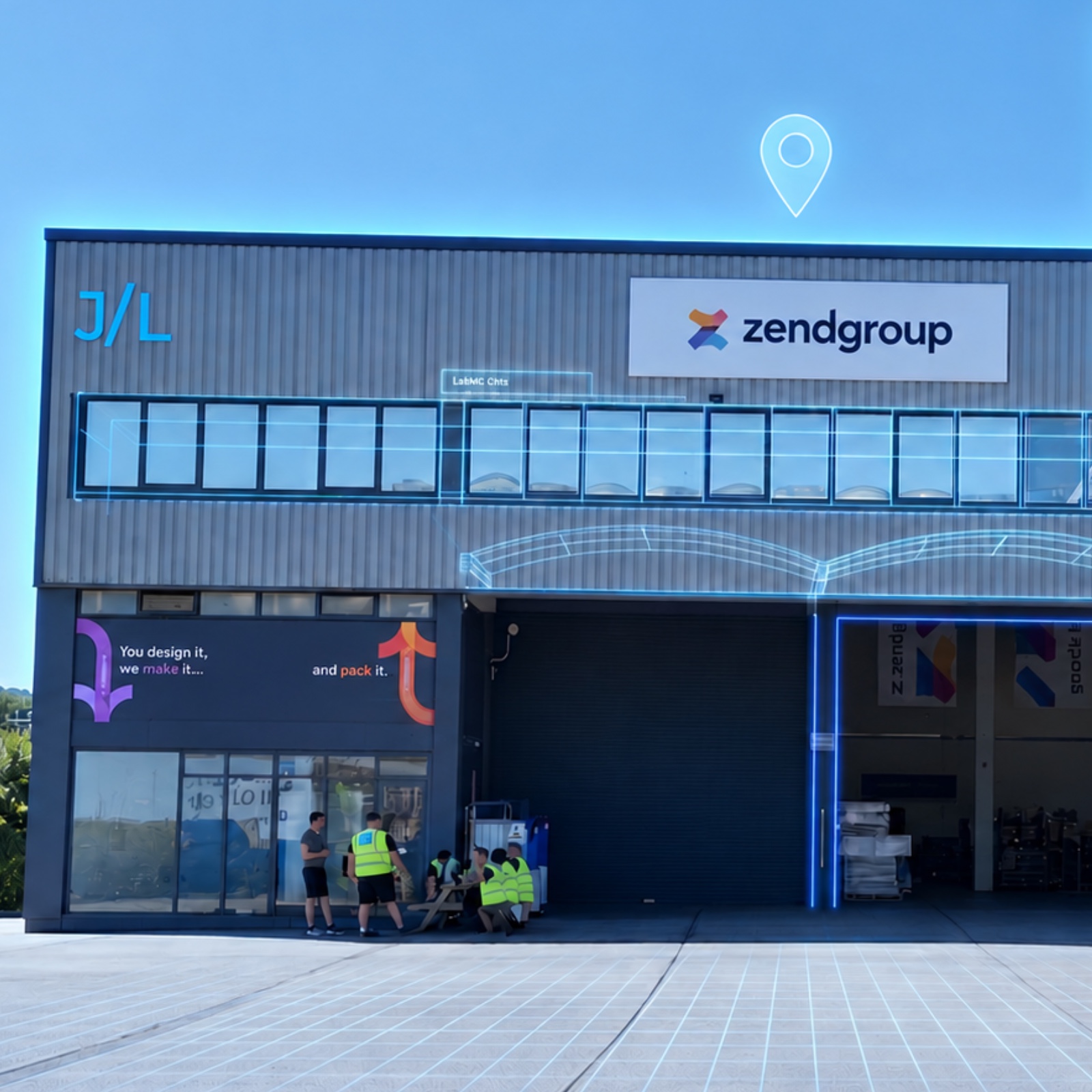
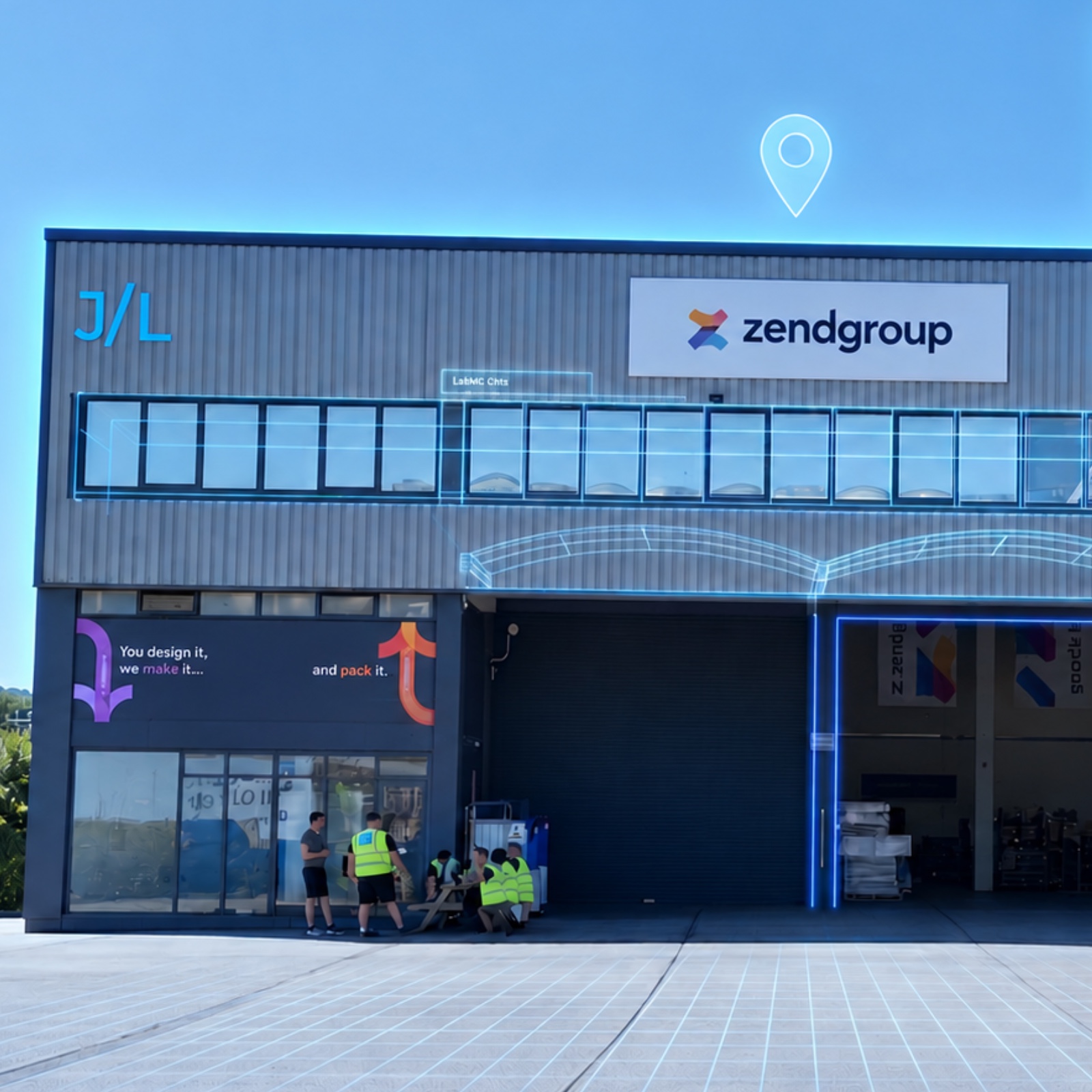
Fulfilment warehouse building ahead of Black Friday peak

What Is a Change Freeze, and Why Does It Matter?

A change freeze is a period in which you deliberately stop making changes to the things that keep your orders moving. You're not stopping work. You're protecting the set-up you've already prepared and tested.

It matters for four reasons:

  • New things haven't been tested at volume. A process that works at 50 orders a day can behave very differently at 300.
  • Your attention is limited. At peak, you and your team have little spare capacity to spot a new problem, let alone fix it.
  • Changes interact. A new app, a new SKU and a new packaging size might each work alone. Combined, they can cause an error nobody predicted.
  • You've already tested the current set-up. If you've run a stress test, it proved your current process holds up. A change quietly invalidates that.

If you're building in public, there's another reason. Your audience will see what you do. A smooth peak is great content, and a visible mistake from a last-minute change is hard to undo.

Must-Do Action:

Pick a freeze date now and tell everyone who touches your operation. A freeze nobody knows about isn't a freeze.

When Should You Freeze?

Black Friday is on Friday 27 November, and Cyber Monday follows on Monday 30 November. We'd suggest starting your freeze around Monday 9 November, which gives you about two and a half weeks, and keeping it until the dust settles after Cyber Monday.

If that feels too early, aim for the last two weeks at the very least. The closer you get to the sale, the fewer changes are worth the risk. After peak, you can lift the freeze and start improving again.

If you're reading this and your freeze should already have started, don't worry. Start it today and apply the rules below from now on.

What to Freeze

Here's where the risk usually sits.

Area

Examples

Why it's risky

Suppliers and inbound

A new supplier, changed carton sizes, a new delivery schedule

Receiving problems can leave stock unavailable when you need it

Systems and integrations

New apps or plugins, store theme or checkout changes, new shipping rules, platform migrations

A broken sync can mean oversells, missed orders or wrong stock

Products and data

New SKUs, changed barcodes, new bundles, renamed items

Data errors slow picking and cause mistakes

Packaging and presentation

New boxes, inserts, labels, tape or gift wrap

New materials change pack times and can cause shortages

Warehouse layout and process

Slotting changes, new pick paths, a new packing station layout, new procedures

People work faster on what they know, and a change can slow everyone down

Carriers and services

A new carrier, a new service level, changed cut-off times

Untested services can cause delays, and customers will notice

People and roles

New hires without training, swapped responsibilities

Inexperience at peak creates errors

Offers and policies

Last-minute bundles, changed shipping thresholds, a new returns policy

Customer-facing changes create service queries at the worst time

What's Safe to Change

A freeze isn't a ban on everything. Some changes are fine, or even necessary:

  • Fixing something that's genuinely broken, such as a checkout error or a wrong price.
  • Small, reversible changes you can undo in an hour.
  • Communication updates, like cut-off messaging or delivery estimates.
  • Urgent compliance or safety fixes.

The test is whether leaving it alone would hurt you more than changing it.
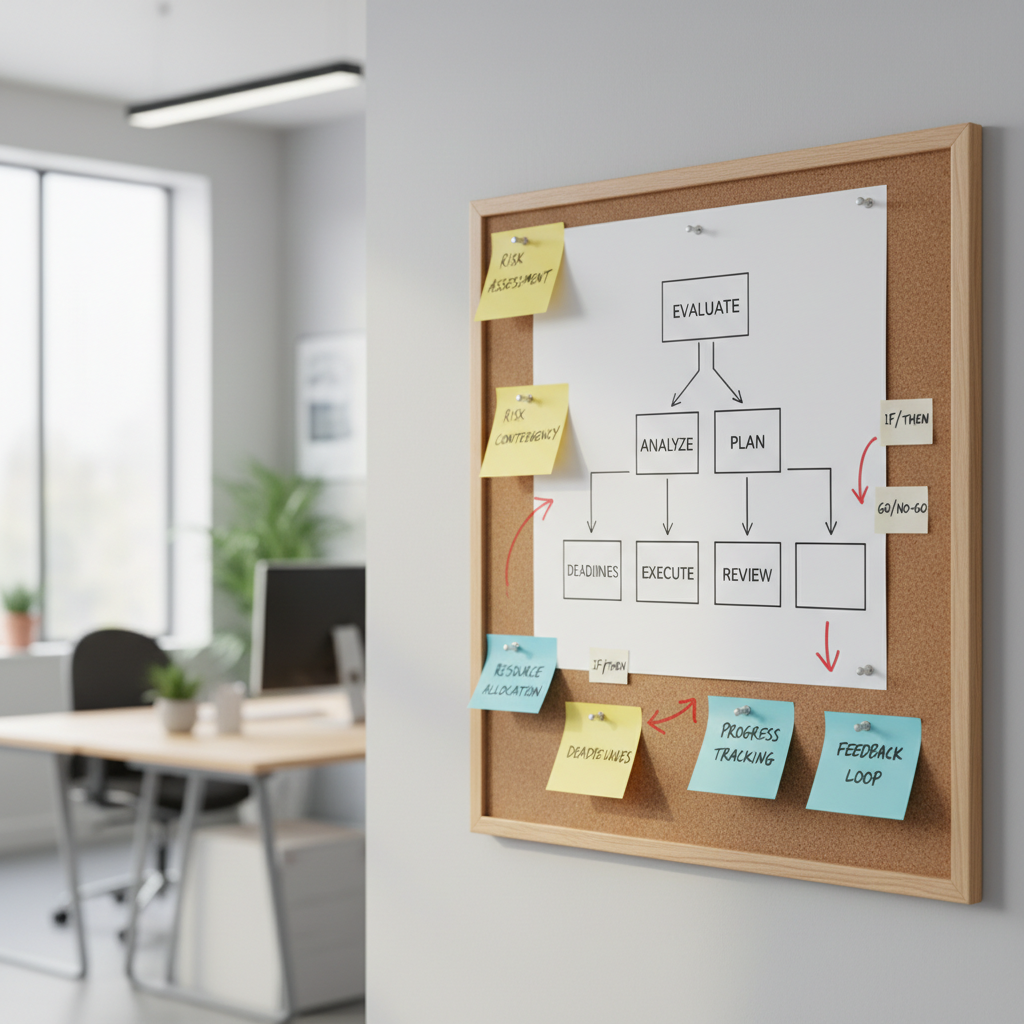
The Change Request Test

Flowchart diagram on paper pinned to a corkboard next to sticky notes

Some changes will always feel urgent. Rather than arguing about each one, use five questions:

  1. Is something broken right now, or will it break during peak if we don't act?
  2. Can we test it properly before the freeze date, or at least before it matters?
  3. Can we undo it quickly if it goes wrong?
  4. Who is affected, and have they been told?
  5. Who signs off?

If the answer to the first question is no, the change waits. If the answer to the third is no, the bar is much higher.

Worth-Trying Tactics:

Pick one person to approve exceptions, and keep a short written log. When everything is urgent, a single decision-maker stops the freeze quietly dissolving.

If You Use a 3PL

Your freeze and your logistics partner's need to line up.

  • Ask whether they have a peak freeze, and when it starts.x
  • Tell them early about anything you're planning. New SKUs, packaging changes and inbound schedule changes all need time on their side too.
  • Agree what needs their sign-off. Make sure you both know which changes need a conversation first.
  • Include it in your forecast. Your peak forecast should reflect any launches or changes you've already agreed.

If You Fulfil Yourself

Your freeze covers your rota, your space, your supplies and your processes.

  • Finish training new people before the freeze starts, and avoid new hires in the final fortnight.
  • Keep your layout and pick paths as they are. If you rearranged things for peak, leave them.
  • Order and receive all packaging and supplies in advance, and don't switch to a different box or mailer.
  • Write down your procedures so anyone helping can follow them.

Finish These Before the Freeze

The freeze only works if the important things are done first. Before 9 November, make sure you've:

  • Added and checked any new products and bundles
  • Fixed barcodes, weights and product data
  • Ordered and received packaging, inserts and supplies
  • Tested your store and warehouse connection with a full test order
  • Decided your returns policy for peak
  • Written your customer service templates
  • Told your logistics partner about everything they need to know

his matches weeks three nd four of our six-week Black Friday countdown.

Park It, Don't Drop It

The urge to improve things doesn't go away during a freeze, and it shouldn't. Keep a "post-peak list" where you write down every idea: the layout tweak, the app you want to try, the packaging upgrade. Note why it matters and what you'd need to do.

It gives you somewhere to put the idea without acting on it, and by January you'll have a ready-made list of improvements, with real peak experience to help you rank them.

Boring Is the Goal

If your peak goes well, very little will happen. Orders come in, they're picked, packed and shipped, and nobody has to fix anything.

That calm doesn't come from last-minute brilliance. It comes from deciding, weeks earlier, that you'll protect what's working. A freeze is a quiet kind of discipline, and for most founders it's one of the cheapest ways to make peak safer.

Open hardcover notebook with handwritten improvement ideas on a minimal desk

‍

“

Set up your change freeze

Four steps to protect the set-up you have already tested, from now until after Cyber Monday.

STEP 1
Pick your freeze date

Aim for around Monday 9 November and hold it until things settle after Cyber Monday. Tell everyone who touches your operation.

STEP 2
Finish the essentials first

Add new products, fix product data, receive packaging, run a full test order and brief your logistics partner before the freeze starts.

STEP 3
Run the change request test

Only change what is broken or can be undone quickly. Pick one person to approve exceptions and keep a short written log.

STEP 4
Keep a post-peak list

Write down every improvement idea and why it matters, then rank them in January with real peak experience.

James Khoury
Chief Executive Officer (CEO) of Zendbox

Further Reading

Back to Blogs