Localised Fulfilment vs Centralised Warehousing: Cost Guide
July 1, 2026
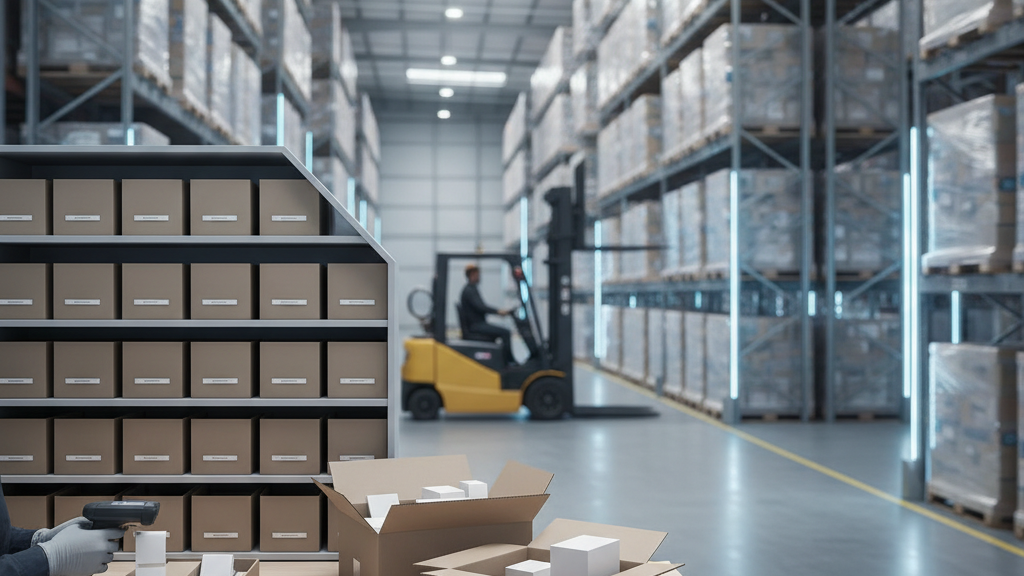
Localised fulfilment reduces last-mile shipping distance and delivery times, but it adds inventory splits, transfers, and multi-site overhead. Centralised warehousing simplifies stock control and inbound receiving, but it often increases per-order shipping costs and can push delivery promises beyond customer expectations. For 100+ orders per day brands, the lowest total cost usually comes from matching your network to demand concentration, SKU velocity, and spike patterns rather than picking one model by default.
Centralised warehousing typically wins on operational efficiency: one receiving dock, one pick/pack process, one inventory pool, and fewer replenishment decisions. That simplicity reduces labour variability and lowers the risk of stockouts caused by “inventory stranded” in the wrong location.
Localised fulfilment typically wins on outbound economics and speed: shorter zones, lower carrier costs per parcel, fewer late deliveries, and often fewer “where is my order?” tickets. The hidden cost is network complexity—split inventory, more cycle counts, inter-warehouse transfers, and more exception handling when campaigns spike demand unevenly.

If most orders ship long distance from a single site, zone-based pricing can dominate your cost per order. Localised fulfilment reduces average zone, which can materially lower outbound spend, especially for heavier parcels, oversized packaging, or higher service levels (tracked and expedited).
Returns can flip the equation. A central warehouse may consolidate returns processing and resale decisions, but it can increase reverse shipping distances. Local nodes can shorten return labels and speed refunds, but they add variability in grading, restocking, and disposition unless processes are standardised.
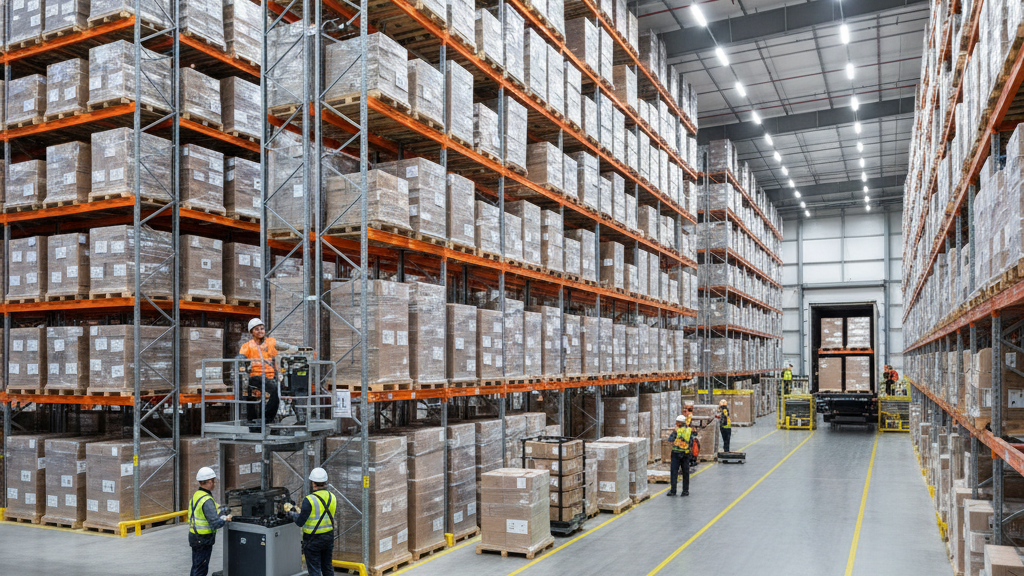
Centralised warehousing tends to win when your demand is geographically concentrated, your SKU catalogue is wide with long-tail items, or your inbound supply is fragmented into frequent small goods-in deliveries. One facility reduces receiving touches and makes putaway and replenishment more predictable.
It also helps when marketing campaigns create large, short-lived spikes. Pooling labour and inventory in one building makes it easier to flex staffing, prioritise cut-off times, and avoid transferring stock between sites mid-campaign.
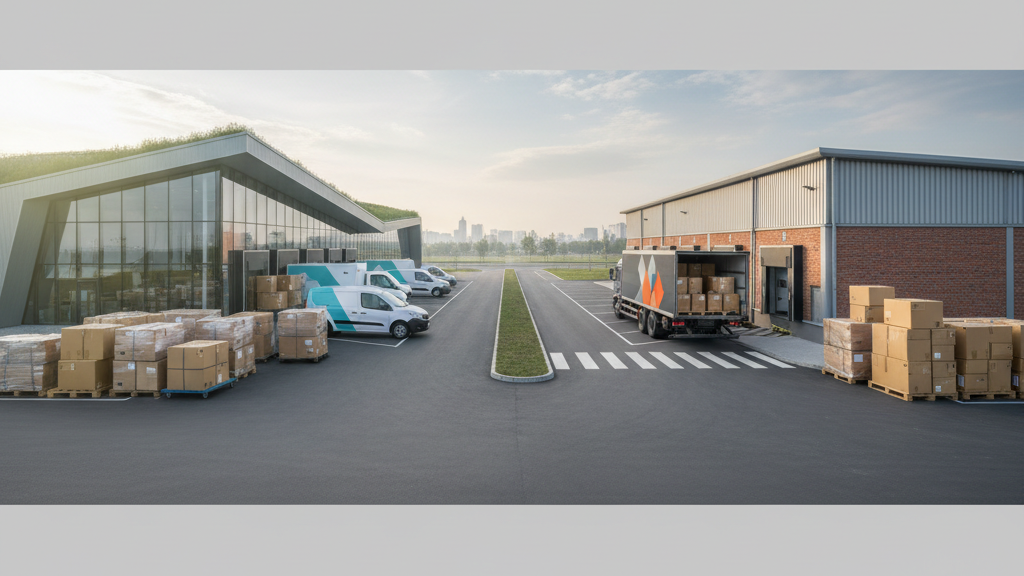
Localised fulfilment often wins when orders are evenly distributed across regions and delivery speed is a competitive requirement. Shorter distances reduce transit time and late-delivery penalties, and they can improve conversion if faster delivery is shown at checkout.
It also suits brands with a stable set of fast-moving SKUs that can be duplicated across nodes without inflating obsolescence risk. If 20% of SKUs drive 80% of volume, those movers can live locally while long-tail inventory remains centralised.
Subscription surges create predictable peaks but concentrated pick/pack windows. A central warehouse can batch efficiently, but only if carrier collections and cut-offs can absorb the surge. Localised nodes can distribute workload, but they require synchronized inventory positioning ahead of billing cycles.
Campaign spikes are less predictable and often regionally skewed. The network that performs best is the one that can reallocate capacity quickly without creating stranded stock. This is where inventory visibility, tight goods-in processing, and disciplined replenishment rules matter more than the number of warehouses.
Use a total-cost view, not a line-item view. Model: outbound shipping by zone and service, pick/pack labour, packaging, returns, inter-warehouse transfers, stockholding cost, and the cost of late delivery (refunds, reships, support time). Then pressure-test it against your realities: SKU growth, inbound cadence, and peak-to-average volume ratio.
For many T1 scaleups, the answer is a staged approach: start centralised to stabilise inventory control and inbound processing, then localise selectively for high-volume regions or fast movers once your data is reliable. Zendbox supports fast, accurate, scalable ecommerce fulfilment for growing brands, helping reduce operational complexity as volume passes 100 orders per day and spikes become routine.
If you want a practical next step, gather four weeks of order data (ship-to postcode, parcel weight/dimensions, SKU lines per order, returns rate) and compare your current network to a two-node scenario. The best option will be the one with the lowest total cost while still meeting your delivery promise.





.svg)