February 9, 2026
This matters now because health and wellness customers are less forgiving than most categories. They expect fast delivery, careful handling, and confidence that what arrives is exactly as intended. When fulfilment slips, the cost rarely shows up in one obvious place. It spreads across returns, reviews, and repeat purchase rates.
Most failures we see are not dramatic.
They’re operational blind spots.
Teams apply standard pick, pack, and dispatch logic designed for apparel or hard goods. That creates three recurring problems:
Extended exposure windows
Late picks, batching delays, or end-of-day rushes increase the time products sit in uncontrolled environments.
Assumed stability
Products are treated as “robust enough” without clear checkpoints for temperature, humidity, or handling discipline.
Limited visibility
Ops teams can see orders shipped, but not where delays, condition risks, or exceptions are emerging until customers complain.
None of these look serious in isolation. Together, they create avoidable risk.
The financial impact is often underestimated because it doesn't sit neatly in one KPI.
Product quality risk
Industry guidance and logistics research consistently show that supplements and topical products are sensitive to environmental conditions during storage and transit. Uncontrolled exposure can reduce shelf life or effectiveness, even if damage isn’t immediately visible.
Returns and customer confidence
Health and wellness customers are more likely to return or question products that arrive late, warm, leaking, or poorly presented. Returns are expensive. More importantly, they erode trust in categories where confidence matters.
Support load and WISMO
When delivery or condition isn’t clear, customer service teams absorb the cost. We regularly see WISMO volume increase when proactive delivery and exception visibility is missing.
These are operational costs that compound quietly over time.
This is not about over-engineering. It’s about discipline.
1. Treat cut-offs as risk controls, not convenience
Late cut-offs feel commercially attractive. Operationally, they widen exposure windows.
Strong operators align pick deadlines with carrier handover times and enforce SKU-specific rules for sensitive products.
Common failure point: accepting late orders without adjusting handling or dispatch logic.
2. Build condition awareness into the workflow
Temperature control is only useful if it’s continuous. A chilled zone doesn’t help if products sit on trolleys, in cages, or at pack benches without oversight.
Operators who perform well introduce clear condition checkpoints tied to inventory status and movement.
Common failure point: tracking quantity without tracking handling context.
3. Prioritise visibility over raw throughput
High-volume fulfilment is not the same as high-quality fulfilment.
For sensitive products, visibility into inventory position, order status, and delivery exceptions matters more than headline speed metrics. It allows teams to intervene early rather than explain failures later.
Common failure point: dashboards that confirm dispatch, but not risk.
If you’re reviewing your current setup or a new fulfilment partner, ask:
If any of these rely on assumptions rather than process, that’s a gap.
The best health and wellness operators don’t chase perfection. They remove avoidable risk.
They accept that sensitive products need different handling rules. They use visibility to prevent small issues becoming customer-facing problems. And they measure fulfilment success in more than just speed.
Teams that don’t make this shift usually spend more time firefighting and explaining than improving.
For brands with reminder-sensitive products, two capabilities matter in particular:
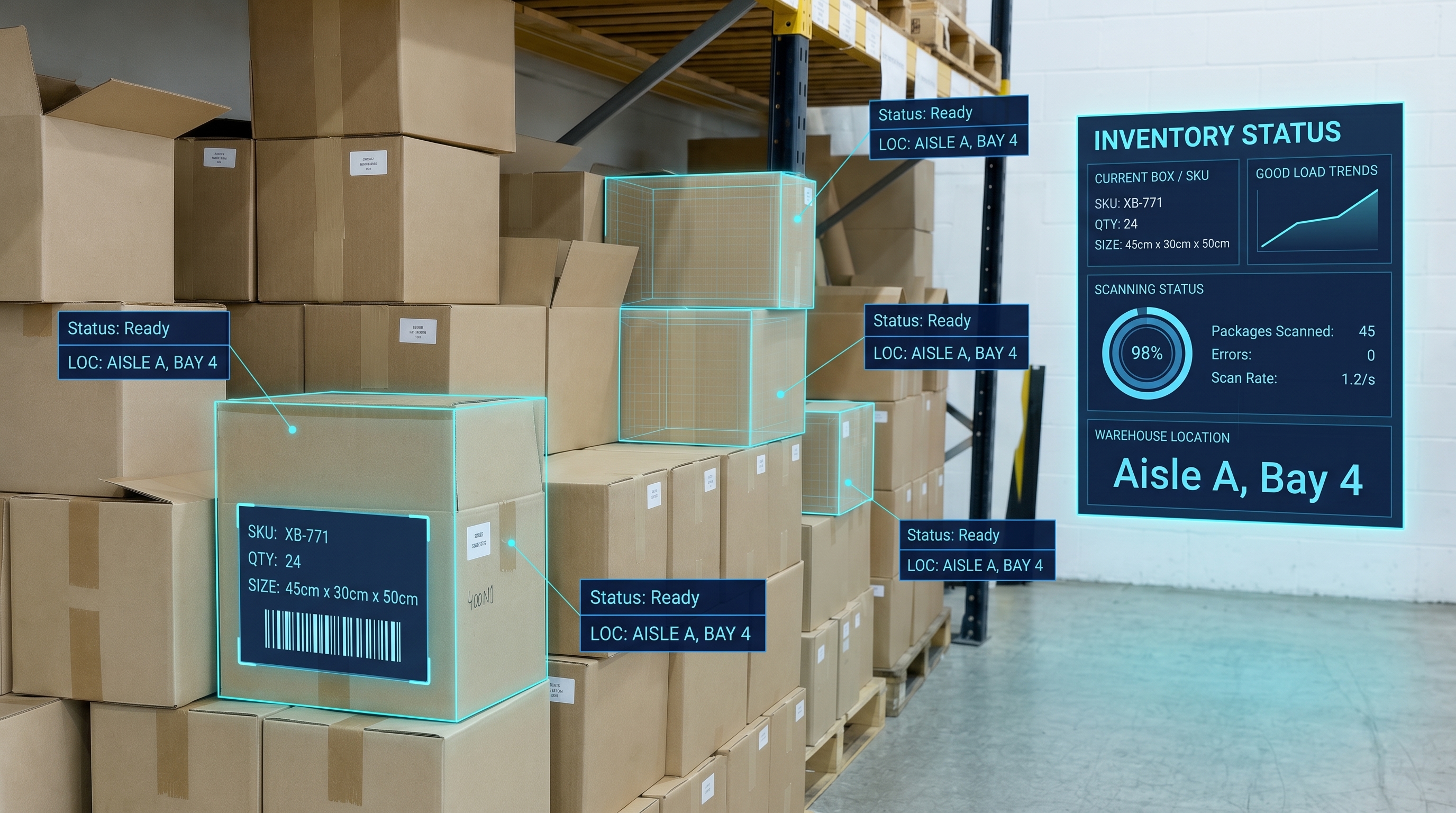
Real-time operational visibility
Zendportal gives teams live insight into inventory and order status, helping surface risks early rather than after delivery.
Proactive delivery communication
Zendtrack provides branded, timely updates that reduce uncertainty and WISMO, especially when delivery precision matters to customer confidence.
Combined with strict cut-off discipline, this helps operators protect product integrity and customer trust without slowing growth.
Do sensitive products really need different fulfilment rules?
Yes. Applying generic workflows increases exposure and exception risk.
Is temperature control alone enough?
No. Handling discipline and timing matter just as much.
Where do most teams underestimate cost?
In returns, support load, and lost repeat purchases.
Can better software fix poor processes?
Only if the underlying workflows are sound.
What should be prioritised first?
Visibility. You can’t manage what you can’t see.
If sensitive products are a growing share of your range, it’s worth pressure-testing your fulfilment assumptions. A short operational review often highlights one or two changes that materially reduce risk.





.svg)