September 29, 2026

Black Friday is like a band in its “greatest-hits” era: it used to cause riots, but now the audience knows exactly what to expect.
Barclays reports that 44% of consumers don’t look forward to seasonal sales as much as they used to, with over two-thirds (68%) expressing scepticism about the real value of Black Friday and Cyber Monday (BFCM) deals.
That does not mean D2C founders shouldn’t care about Black Friday: 48% of UK consumers still plan to treat themselves at some point across the season. The average consumer expects to spend £334 over the peak window, making it worth £17.9 billion for UK brands. But it does mean many previously bullet-proof strategies no longer deliver quite the same impact.
The key to success in 2026 is understanding what the “greatest-hits” era really means for Black Friday deals. Because it’s not just that consumer sentiment has shifted; expectations, behaviours, and marketing channels have also transformed over the last few years.
So before we look at exactly how Black Friday marketing tactics have changed, we need to unpack the larger trends that underpin BFCM activity.
When Black Friday arrived in the UK, it caused carnage. Consumers stampeded through stores and near-enough came to blows over sale items; one news outlet described it as a “war zone”. Asda was forced to cancel the event in 2015 due to concerns that it harmed subsequent holiday-season sales.
There’s only so long that level of excitement can last. Every D2C founder knows that sales are driven by novelty, not just price. Once BFCM became a regular part of the retail marketing calendar, it was inevitable consumers would calm down.
The shift in BFCM sentiment goes beyond normalisation though; it’s driven by real changes to how brands and consumers behave around the event:
Black Friday used to make customers feel they were being smart: wait for the peak season, and you’ll be rewarded with otherwise unobtainable discounts. That sense of being a savvy consumer carried a lot of the event’s appeal.
A series of reports have burst that bubble pretty conclusively. Which? published extensive analysis that showed 83% of BFCM deals are not the best price offered across the year. Another exposé found that 36% of discounts were actually the same price as offered during other periods; brands had simply inflated the standard price to create the appearance of a big saving.
Consumers may not have read those reports, but their findings have reshaped the general vibe around Black Friday. And brands have been slow to catch on: while 69% of retailers believe customers trust their offers, only 50% of shoppers say they completely or mostly trust Black Friday offers.
The original excitement around Black Friday was driven by scarcity. It was one day, and once the deals were gone, they were gone. How else do you explain people literally clinging to TV sets in the hopes of clawing them away from other customers?
Brands soon traded that scarcity for marginal sales increases. Early-access sales and bonus follow-up discounts proliferated; BFCM marketing quickly extended to several weeks before the event. And those tactics function like arms races: competitors are almost forced to follow suit, lest they be left with a smaller arsenal.
Consumers too began to think about BFCM well in advance. Last year, BCG found that nearly 60% of consumers plan to start researching deals in October or early November, and about 77% say they sometimes or often delay purchases earlier in the year to take advantage of year-end sales.
When bricks-and-mortar still reigned supreme, Black Friday was a physical experience. Consumers could see how many items were left; they could hear other shoppers’ conversations; and they could feel how much demand the sale was generating.
Those visceral inputs generate momentum and lead to more impulsive buying. If you don’t grab the last Blu-ray player now, it will clearly get snapped up fast. But as consumers have embraced online shopping, that experience has been replaced by something far more rational and considered.
In 2025, roughly four out of five pounds spent on Black Friday went on eCommerce purchases. That means the vast majority of consumer choices are made with every other retailer at the buyer’s fingertips. They can Google alternative options and compare prices; they can ask ChatGPT or Gemini to evaluate deals, recommend brands, or vet products for quality and reliability.
The sense of urgency might remain; there’s still a cut-off point for sales. But the factors that are most likely to shape consumer decisions, such as generative engine optimisation (GEO) and shipping speed, can’t simply be gamed for the peak season.
So here’s how BFCM looks in 2026: consumers are sceptical about prices, equipped with more information, and often planning well in advance exactly what they’re going to buy.
That has some pretty clear implications for your marketing strategy.

While we know you’d never intentionally mislabel products, it can be easy to exaggerate discounts during the peak season. BFCM accounts for a large portion of many brands’ revenue; why not do whatever you can do to make your deals seem as appetising as possible?
The problem is most sales you make during BFCM will be from consumers who are already aware of your brand. Appearing to inflate or falsely represent the level of savings on offer will only rub them the wrong way; the DMCC Act also means such tactics can lead to legal action.
Instead, D2Cs should lean into the negative perception of BFCM. Position your brand as transparent and realistic about the event; this is likely to earn more orders, but also protect existing customer loyalty. And just so you know, the average consumer considers a “good deal” to be around 30% off.
Create ads that lean into other brands’ deceptive discounts. Currys gained decent traction through its “Not cheaper in the last six months” promise; D2C brands can probably have a little more fun than that and potentially give your competitors a friendly poke.
Send marketing emails with subject lines like “Here’s what we could manage for Black Friday”: the counterintuitive down-playing of the sale is eye-catching and buys credibility. Even if it’s a small A/B test, this kind of framing is worth a go in 2026.
Heavy discounts generate sales, but that obviously means sacrificing your margins. Plenty of brands have tried to skate around that fact in the past by using gamified or conditional offers, where consumers could access bigger savings by buying more or selecting bundles.
That strategy adds unwanted complexity; consumers have usually planned what they want to buy, and your complicated conditions try to force their hand. BCG finds that just 6% of consumers prefer deals structured like this.
Equally, unevenly distributed discounts create mental friction for buyers. Somebody might want product A, but it’s only discounted 10%; they might feel unable to justify purchasing it over product B, which has 30% off. The result is the purchase feels bad either way.
The better strategy is to keep things as simple as possible: offer clear, transparent discounts across all products. These “X off everything” deals are by far the most popular, reducing the number of difficult decisions and trade-offs consumers have to make.
Offering Black Friday discounts a day or two early has created artificial novelty and exclusivity in recent years. Consumers might plan what they want to buy in advance, but getting an unexpected email or SMS with a link to the sale before it’s even started delivers a sudden rush that makes the event feel exciting again.
But the tactic no longer hits the same, especially when it becomes standard across many industries. Customers quickly come to expect the early access, diluting its novelty. And expanding the parameters of BFCM even further reduces urgency.
Claims that it helps customers avoid website loading issues or items selling out usually come from companies trying to sell BFCM marketing services. If the sale is open to everybody on Thursday, why would we expect it to be considerably less busy? It just shifts the mad rush forward 24 hours.
That’s not to say you should avoid early-access altogether; plenty of brands will still be better off overall by opening their sales a day or two early. But founders should also consider how they might experiment with more risky tactics that are genuinely unexpected.
Brands could create real exclusivity by limiting early access to previous customers; that turns BFCM into an opportunity to build loyalty, rather than simply drive sales. Equally, sending emails to random subscribers (rather than mass comms) about early-access to Black Friday discounts could renew the sense of novelty. Friends might share their code and feel they are actually getting access to deals first.
Make early access earned, not automatic. Restrict it to past customers or subscribers, tell them explicitly why they're getting it, and keep the window short: 24–48 hours, with no extensions.
Give your best customers a small number of invite codes to share. Early access becomes something people pass on, not something that lands in every inbox, and each referred friend arrives already vouched for.
Offer early access to stock, not to discounts. Give loyal customers the first pick of limited runs or new launches at the same price everyone will get. It feels exclusive without dragging your sale any earlier.
Social media ads are a staple of any D2C marketing campaign, and Black Friday is no exception. The problem is TikTok Ads and the like often function as a deus ex machina: arriving in the final stretch of the lead up to BFCM as a magical solution to all your demand-related problems.
Primarily, that’s an issue because ad prices tend to spike during that period. But it’s also a problem because many consumers have already planned what they want to purchase during the sales.
An alternative would be to focus on remarketing campaigns that might tip consumers over the line. BCG finds that only one-third of consumers have made their final decision exactly which brand to buy from before BFCM; your ad spend is better spent winning over fence-sitters than trying to convert cold consumers.
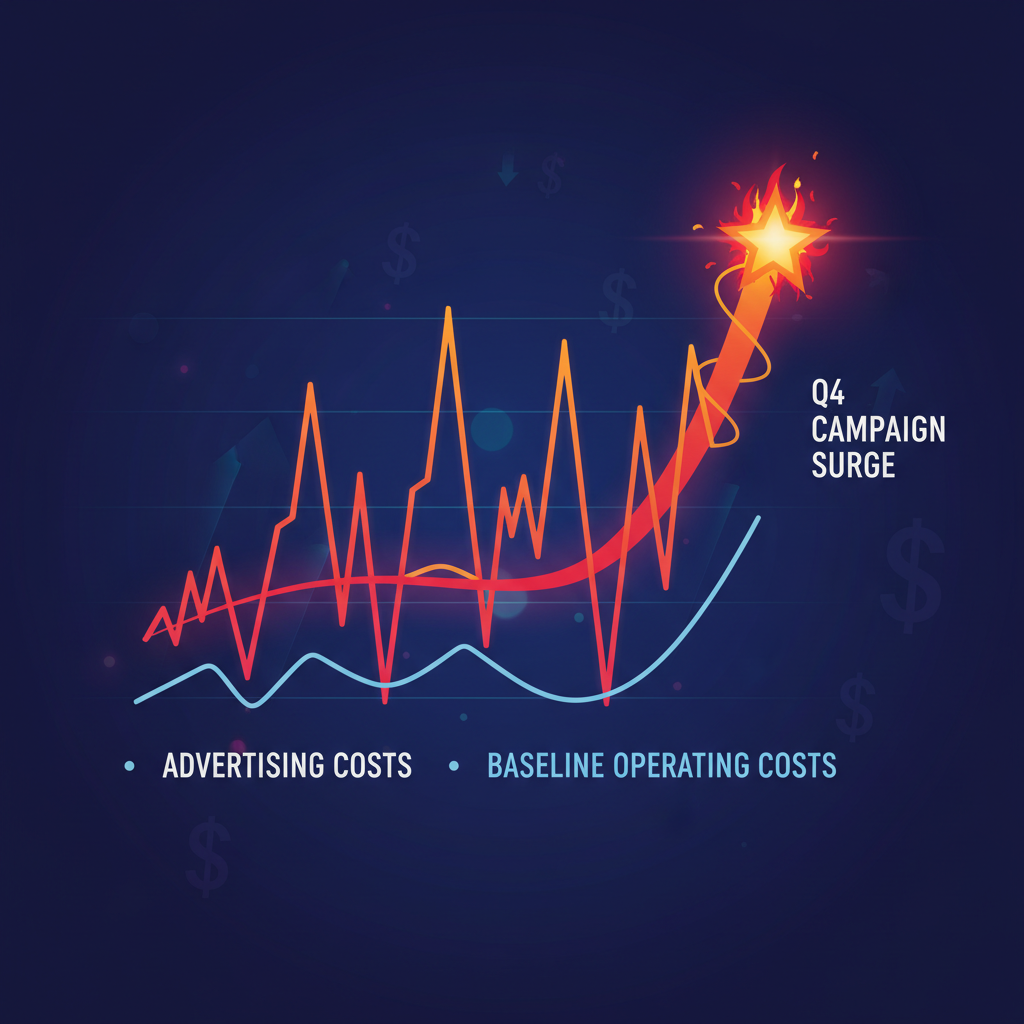
Switch the bulk of your peak-week paid social budget from cold prospecting to remarketing.
Build audiences from recent site visitors, cart abandoners and email engagers, and serve them creative that answers what fence-sitters are really asking: how this price compares with the rest of the year, when it will arrive, and how easy it is to return.
Move prospecting into October, when costs are lower and consumers are researching. Lead with product rather than discounts, so you build the remarketing pool you'll convert in November.
Test creative that shows your price history on screen. It answers the scepticism head-on and gives your BFCM ads something competitors' "biggest sale ever!" posts can't match.
As we recently discussed, marketing often gets stuck with outdated assumptions about what works. Black Friday is a perfect case study: all of the tactics we’ve discussed make sense in theory, but have slowly stopped working for consumers.
Our belief is simple: your best bet at success is always aligning how you produce, market, and ship your products with what consumers actually want. And Black Friday is a great opportunity to do that.





.svg)