ClickCease
Blog

Order fulfilment vs order fulfillment: Insights into eCommerce success

July 27, 2023
|
3
min read

Summary

‘Fulfilment’ is the British spelling and ‘fulfillment’ the American; the meaning is the same. Order fulfilment covers receiving stock, storing it, picking and packing orders, shipping and handling returns. Software streamlines the process, and a fulfilment company can often do it more cost-effectively than you can in-house.

[Founder / CEO] - Understanding the fulfilment process is critical to eCommerce success. - Outsourcing lets you focus on product development and marketing. - Fulfilment companies operate at scale, which can make them more cost-effective than in-house. [Operations] - Fulfilment runs from receiving inventory to storage, picking, packing, shipping and returns. - Fulfilment software manages stock levels and tracks orders in real time. - Returns must be processed and restocked as part of the same flow. [Marketing / eCommerce] - Fulfilment is how online orders reach the customer’s doorstep, so it shapes the experience. - Real-time tracking helps keep customers informed after purchase. - Use the spelling that matches your audience; the process is the same. [Finance] - Scale can make outsourced fulfilment more cost-effective than doing it in-house. - Software insights support better stock and spending decisions. - Returns processing has a cost; plan for restocking as well as refunds. [Customer service] - Real-time order tracking helps answer delivery questions quickly. - A clear returns process makes returns conversations simpler. - Secure packaging and accurate picking reduce damaged and wrong-item complaints.
[FMCG] Fast-moving stock needs smooth receiving and storage so orders are always ready to pick. [Health & wellness] Track stock levels in real time so popular products stay available. [Beauty & cosmetics] Package fragile items securely at the packing stage to avoid damage. [Sustainable] Make returns part of your process so resaleable items go back into stock. [Subscription box] Plan receiving and storage around regular box dispatch dates. [Books] Large ranges benefit from software that tracks each title’s stock level. [Pet supplies] Heavy items need suitable packaging and courier choices at the shipping stage. [Luxury goods] Secure, careful packing protects high-value items and the customer’s experience. [Toys & games] Returns spike after gifting seasons; make sure restocking is built into your process.
Order fulfilment vs order fulfillment: Insights into eCommerce success

In this post we’ll be delving into the realm of order fulfilment – or is it 'order fulfillment'?

Regardless of the spelling you prefer, understanding this key eCommerce concept is critical to your business' success. In this article, we'll unravel the meaning of order fulfilment, delve into the order fulfilment process, explore the role of different software in this process, and explain how companies like Zendbox can revolutionise this task.  

The great debate: Order fulfilment vs order fulfillment  

Before we delve deeper, let's address the elephant in the room: the differing spellings of 'fulfilment' and 'fulfillment'. Simply put, 'fulfilment' is the British spelling, while 'fulfillment' is the American variant. But no matter how you spell it, the concept remains the same: it's all about getting the products that customers order online from your warehouse to their doorstep.

The order fulfilment process explained

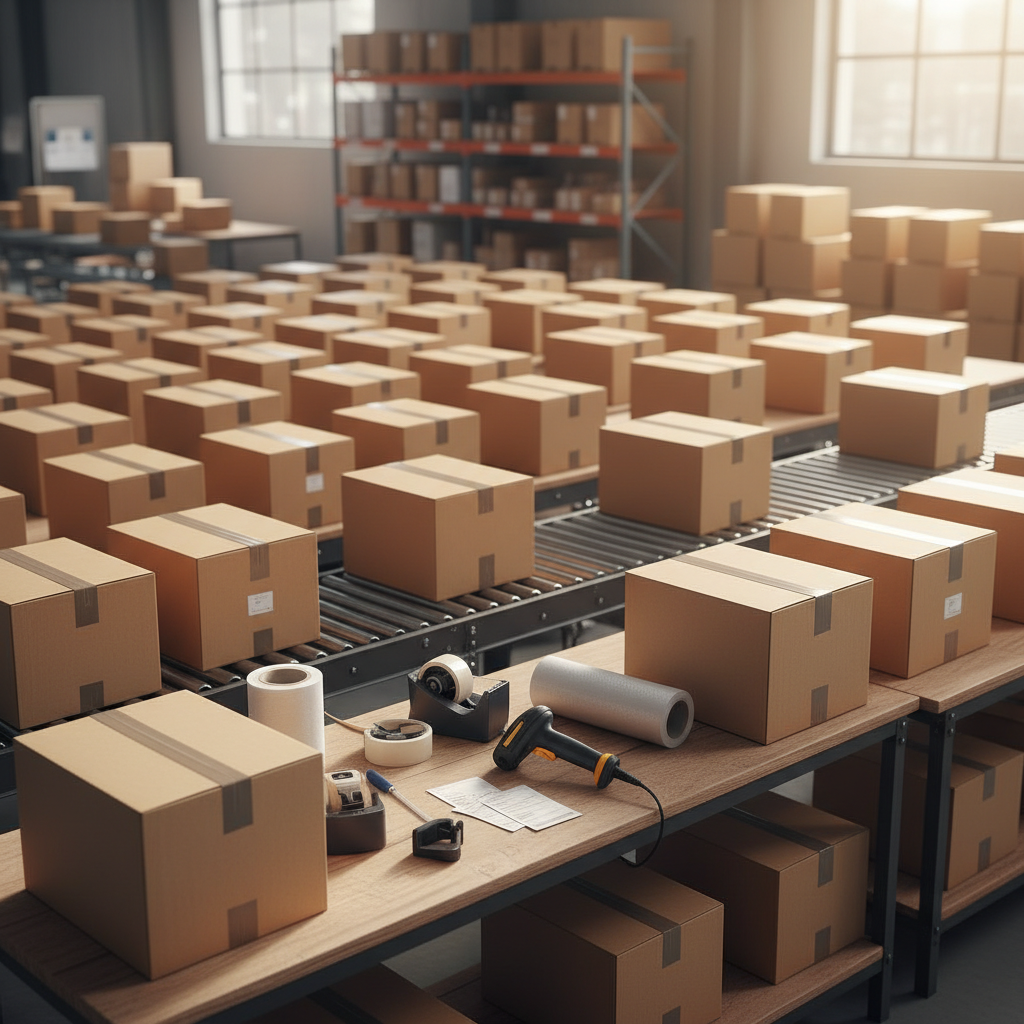
Order fulfilment is a multi-step process that starts when a customer places an order online and ends when they receive their package. It involves several key stages:

  • Receiving inventory: The fulfilment process begins when products arrive from your manufacturer or supplier at your warehouse.
  • Inventory storage: Once products have been received, they are stored in the warehouse until a customer places an order.
  • Order processing: When an order comes in, the purchased items are picked from the warehouse shelves, packaged securely, and labelled for shipment.
  • Shipping: The package is then handed over to a courier service for delivery to the customer.
  • Returns processing: If a customer decides to return an item, the fulfilment process will also handle the return and restocking of the item.

The role of order fulfilment software  

Order fulfilment software plays a crucial role in automating and streamlining the fulfilment process. It helps manage inventory levels, track orders in real-time, and provide essential insights for business decision-making.

Software solutions like Zendportal offer a wide range of features designed to optimise order fulfilment. From inventory management to real-time tracking, these solutions provide the tools necessary to maintain efficient operations, ensure customer satisfaction, and drive eCommerce success.

The advantages of partnering with order fulfilment companies  

Order fulfilment companies specialise in handling the fulfilment process on behalf of eCommerce businesses. These companies offer a variety of services, including inventory storage, order processing, shipping, and returns management.

By partnering with an order fulfilment company like Zendbox, you can enjoy several benefits. First, it allows you to focus on core business areas such as product development and marketing, leaving the logistics to the experts. Second, because fulfilment companies operate at scale, they can often provide these services more cost-effectively than if you were to handle them in-house.

Regardless of whether you spell it 'fulfilment' or 'fulfillment', understanding this critical eCommerce concept is key to your business' success. By effectively managing the order fulfilment process, leveraging the power of order fulfilment software, and partnering with specialist order fulfilment companies, you can ensure that your online order fulfilment is as efficient and cost-effective as possible.

Discover how Zendbox can help optimise your order fulfilment process and drive your eCommerce success. Contact one of our experts today!

“

Zendbox has massively helped our business because it has solved our problem and freed up our time. The quality of the service is second to none, delivering orders efficiently.

Andrew Davison
Andrew Davison
eCommerce Manager, Ringtons

The order fulfilment process

The key stages from stock arriving to returns.

STEP 1
Receive inventory

Products arrive from your manufacturer or supplier at the warehouse.

STEP 2
Store stock

Received products are stored in the warehouse until a customer orders.

STEP 3
Pick, pack and label

Purchased items are picked from shelves, packed securely and labelled for shipment.

STEP 4
Ship and handle returns

Parcels go to a courier for delivery, and any returns are processed and restocked.

Looking to hand over your order fulfilment?

We’ll walk you through how we’d handle each stage for you.

Get a quote
Gilson Pereira
Head of Customer Experience at Zendbox

Further Reading

Back to Blogs